




Introduction: Transforming Displays from Passive Screens to Smart Interaction
Adaptive Display technology has evolved beyond the traditional scope of basic brightness and color adjustments, encompassing dynamic refresh rate regulation, physical form adaptability (such as folding, rolling, and transparency), and responsive content that changes based on user interaction. The goal is to optimize visual experiences, manage energy efficiency, and seamlessly integrate displays into various environments.
At the heart of this innovation is OLED self-emissive technology combined with pixel-level control, powered by sensors and AI algorithms. This combination is transforming displays from static interfaces into environment-aware, content-adaptive, and flexible devices. For retailers, advertisers, and space designers, adaptive displays represent a powerful tool to transform static spaces into programmable, interactive environments, offering a competitive edge in brand differentiation.
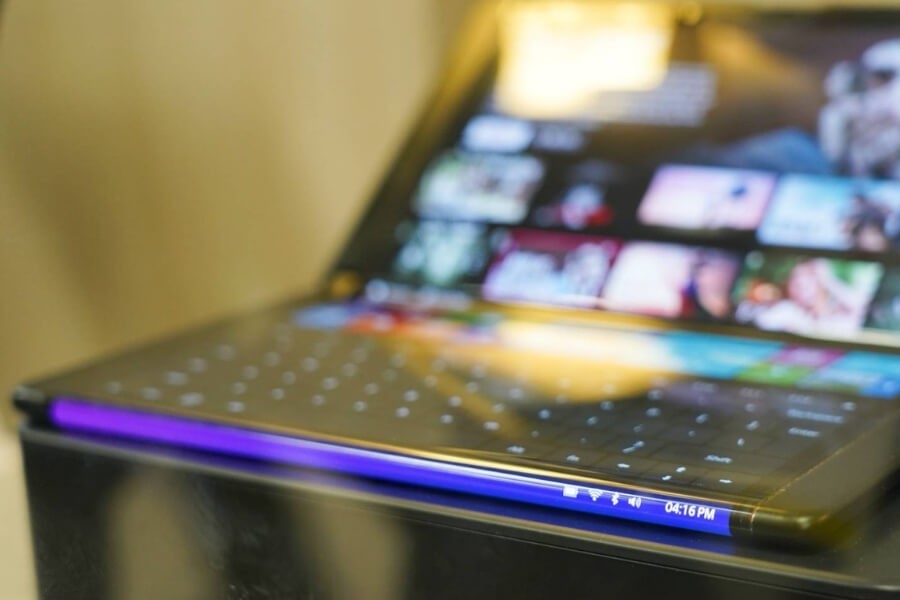
Understanding the Core of Adaptive Display Technology: OLED vs. LED
Key Comparison Points Between Flexible OLED and Flexible LED (Core of Adaptive Display)
| Aspect | Flexible/Transparent OLED (Future Core of Adaptive Displays) | Flexible LED (Main Player for Large Screens & Outdoor Adaptability) | Commercial Application Insights |
|---|---|---|---|
| Image Quality Adaptability | - Pixel-level light control for infinite contrast and true blacks - Wide color gamut (>120% DCI-P3) with precise color accuracy - Millisecond response time supporting dynamic refresh rate adjustments | - High brightness (ideal for strong light environments) - Optimized color consistency between modules | OLED is best suited for high-end retail, galleries, and premium experiences requiring fine image quality; LED excels for outdoor advertising, sports venues, and large-scale applications. |
| Refresh Rate Adaptability | ✅ Core technology: Adaptive Frequency (e.g., 10Hz-120Hz), adjusts based on content, reducing power consumption by up to 22%. Perfect support for Variable Refresh Rate (VRR) eliminating screen tearing in games. | Adjustable overall refresh rate, mainly for energy management. | OLED’s refresh rate adaptability ensures smooth performance for dynamic content (e.g., product demos, interactive gaming). |
| Physical Form Adaptability | ✅ Physical form changes: foldable, rollable, curvable, transparent. Transparent OLED integrates the screen with the environment for high-end commercial displays and space design. | Modular design allows bending, curvature, and connection into creative shapes; limited flexibility. | Transparent OLED enables “display-as-space” transformations, an area RUSINDISPLAY excels in—merging physical and digital boundaries. |
| Energy Efficiency Adaptability | - Dark mode energy saving (up to 25%) - Self-emissive properties only light required pixels - Adaptive refresh rate for double energy savings | - Brightness adapts to ambient light - Efficient LED chips reduce energy consumption | For long-running commercial display systems, energy adaptability directly impacts operating costs and sustainability. |
How Adaptive Displays Are Changing the Game in Commercial Applications
High-End Retail and Brand Experience Stores
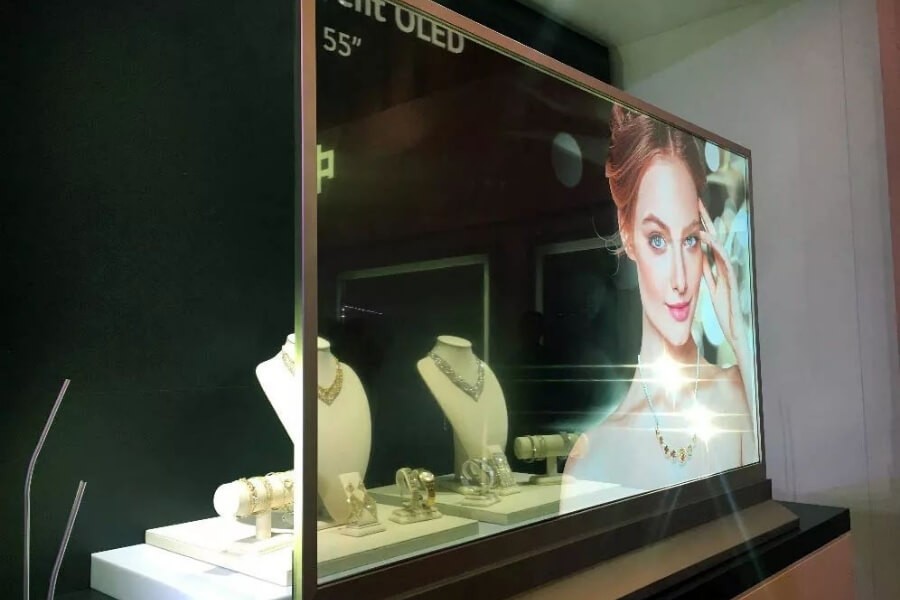
- Technology Solution: Transparent OLED displays for windows, product showcases, and space partitions.
- Adaptive Value: Seamlessly switching between “transparent windows” and “immersive advertising screens,” content dynamically adjusts based on foot traffic, time of day, or customer interaction.
Innovation Case: A global luxury jewelry brand flagship store adopted a custom RUSINDISPLAY transparent OLED video wall as the store’s focal point. The wall remains transparent for product displays but automatically plays high-definition footage of artisans crafting jewelry when customers approach. This led to a 40% increase in conversion rates.
Corporate Showrooms and Digital Art Museums
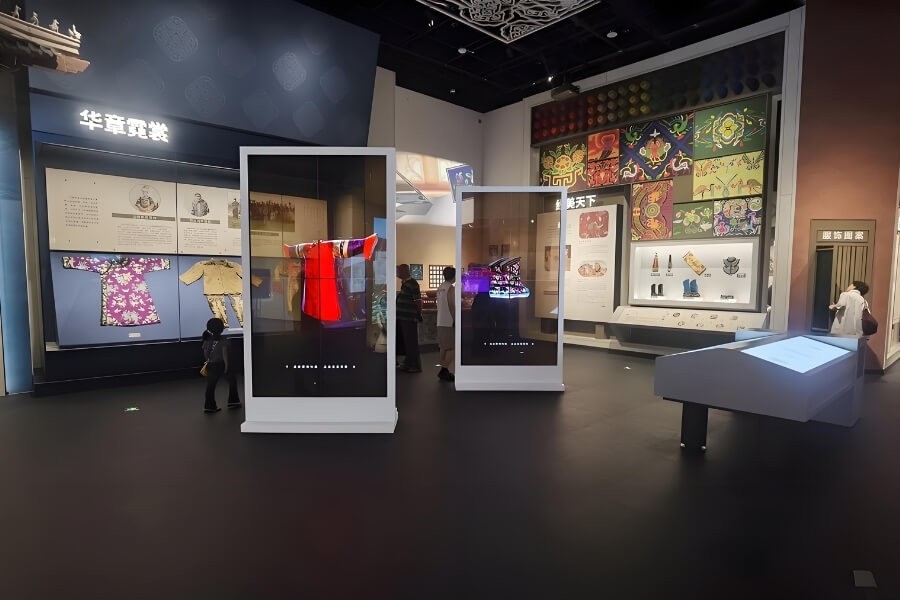
- Technology Solution: Modular OLED/Micro-LED video walls combined with transparent interactive screens for a mixed display system.
- Adaptive Value: Layout and content automatically adjust according to visitor flow and exhibit highlights, creating a “narrative flow adaptation.”
RUSINDISPLAY’s Role: This type of complex project demands end-to-end capabilities, from custom hardware and system integration to content creation, an area where RUSINDISPLAY excels in delivering comprehensive high-end solutions.
Smart Digital Billboards
- Technology Solution: High-brightness flexible LED for outdoor displays, high-contrast OLED for premium indoor environments.
- Adaptive Value: Content automatically optimizes based on weather, time of day, and real-time foot traffic data, while brightness adjusts according to ambient light conditions.
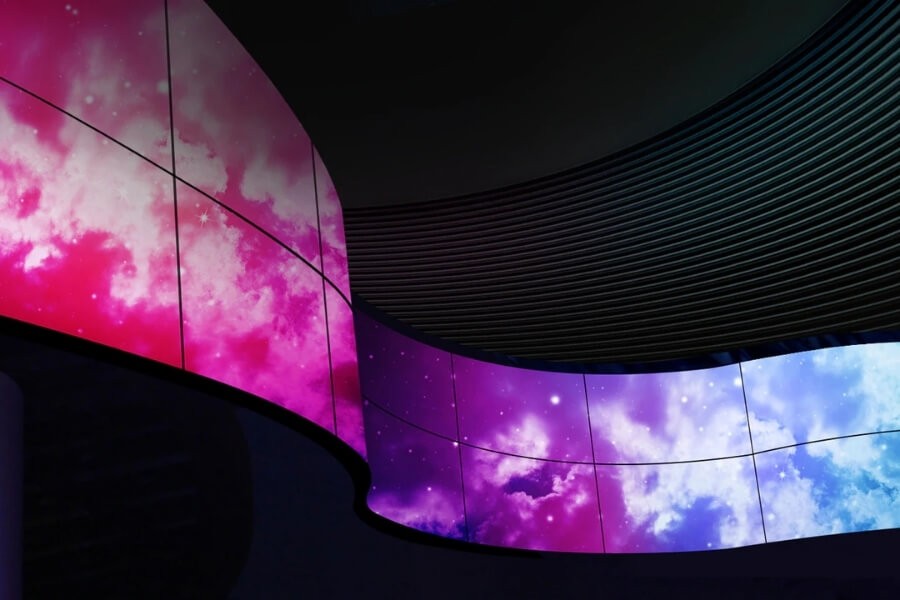
Innovation Case: A high-end shopping center installed curved OLED digital billboards integrated with facial recognition (anonymous), offering tailored ads based on gender and age group. This resulted in a 300% increase in click-through rates.
The Future of Adaptive Displays: AI-Driven Technology and Emerging Trends
From “Adaptive” to “Predictive Display”
- AI Visual Analysis: Cameras and algorithms will recognize the viewer's emotions, focus, and engagement, dynamically adjusting the content’s emotional tone and information density.
- Predictive Content Generation: AI will predict content preferences based on historical data and optimize materials before they are needed.
Revolution in Materials and Form Factors
- Stretchable Displays: Screens that can stretch to adapt to dynamic architectural surfaces.
- Ubiquitous Transparent Displays: As costs decrease, transparent OLED will expand from premium commercial applications to smart homes and automotive windows.
Embedded Sensors and Multi-Modal Interaction
- Light, Touch, and Biometric Sensors: These will be directly integrated into the display layers, turning the screen into a multi-functional sensory interface.
Impact on Industries
For Advertisers
Transitioning from "buying ad space" to "buying audience attention span and interaction depth," with measurable outcomes. Adaptive displays will allow precise measurement of audience engagement.
For Retailers
Physical stores will evolve into “programmable media spaces,” with every wall and window becoming a touchpoint for sales. Adaptive displays will create immersive, interactive shopping experiences.
For Solution Providers
The competition will shift from hardware specifications to delivering integrated experiences combining AI algorithms, content ecosystems, and design integration.
FAQ
Q1: What does Adaptive Display include?
Adaptive Display technology involves three key components: 1) Electronic adaptation (adjusting brightness, refresh rate, and color temperature); 2) Physical adaptation (flexibility for bending, folding, and transparency); 3) Content interaction (dynamic content changes based on environmental and behavioral data).
Q2: How do I choose between OLED and LED for commercial projects?
The choice depends on your goals: For premium aesthetics and space fusion, go for transparent/flexible OLED. For large displays and outdoor durability, flexible LED is ideal. For high-end environments, Micro-LED or high-quality OLED video walls are perfect for image clarity and reliability.
Q3: Is the investment in adaptive display systems high? What’s the long-term value?
While initial costs are higher, the long-term value is significant. Operational savings through energy efficiency (up to 30%), increased commercial value through improved engagement and sales (up to 25% conversion increase), and brand differentiation create a unique experience and sustainable benefits.
Q4: How can I ensure the success of an adaptive display project?
Ensure success with three key factors: 1) Choose reliable hardware from experts like RUSINDISPLAY. 2) Implement a smart content management system for seamless scheduling and data integration. 3) Integrate early with space design to maximize the display’s potential.
Conclusion: Entering a New Era of Smart Display Spaces
Adaptive Display technology is reshaping commercial spaces, public environments, and interpersonal interactions. For forward-thinking brands and space operators, this is not just a technological upgrade; it’s a strategic transformation of business models and experience design.
The path to success involves focusing on experience goals rather than technical specifications, choosing ecosystem partners like RUSINDISPLAY, which offers end-to-end solutions for high-end custom displays, AI-driven content platforms, and space narrative design.
By starting with pilot projects, collecting data, and continuously optimizing, adaptive displays will evolve into unique, ever-evolving “living” spaces, transforming how businesses engage with their customers.