




I. Overview: The Value of Glasses-Free 3D Technology
A New Era of Visual Interaction:
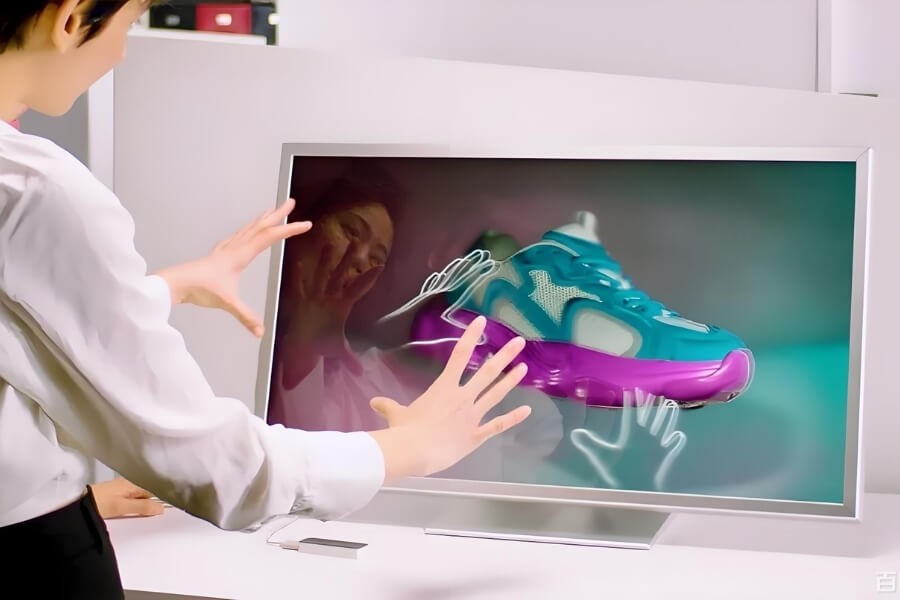
Glasses-free 3D technology offers a breakthrough in visual experiences, allowing users to enjoy immersive 3D content without special eyewear. This represents a significant shift from traditional flat displays to dynamic, interactive visual experiences, where users can perceive depth and spatial interaction.
Immersive Experience Without the Glasses:
The key appeal of glasses-free 3D technology lies in its ability to provide a natural, real-world 3D visual experience without any barriers, allowing users to view and interact with 3D content seamlessly.
From Lab to Market:
Once a concept limited to the lab, glasses-free 3D displays have evolved into practical, commercially viable solutions, especially in high-end sectors such as retail displays, digital signage, and more. The introduction of transparent OLED screens enhances this further, allowing 3D visuals to integrate into transparent surfaces and revolutionizing display systems.
II. How It Works: Understanding the Technology Behind Glasses-Free 3D
The Basics of OLED Technology:
OLED (Organic Light Emitting Diode) displays offer self-emissive properties, which provide high contrast (1,000,000:1), pure blacks, and vibrant colors, making OLED ideal for creating vivid, lifelike 3D effects without external lighting.
Creating 3D Without Glasses:
- Lenticular Lens Array: This method uses micro-lenses to project different light patterns to the left and right eyes, creating a stereoscopic effect. This approach maintains a bright image while providing the 3D effect.
- Parallax Barrier Technology: A light-blocking grid directs light to the left and right eyes, creating a 3D effect. This approach works best with high-pixel-density displays and ensures a clear, stereoscopic effect within a specific viewing area.
Eye-Tracking for Enhanced Viewing:
Eye-tracking technology solves the problem of the "sweet spot" by dynamically adjusting the 3D rendering based on the user's head position, ensuring that the effect remains smooth and immersive as the user moves.
Large Screen Solutions:
- Video Wall Integration: Multi-Screen Integration ensures color and brightness uniformity across large displays, making the technology ideal for commercial environments.
- Transparent Display Integration: Combines transparent OLED with glasses-free 3D, creating dynamic spaces where the display integrates seamlessly with the environment.
III. Real-World Applications of Glasses-Free 3D Technology
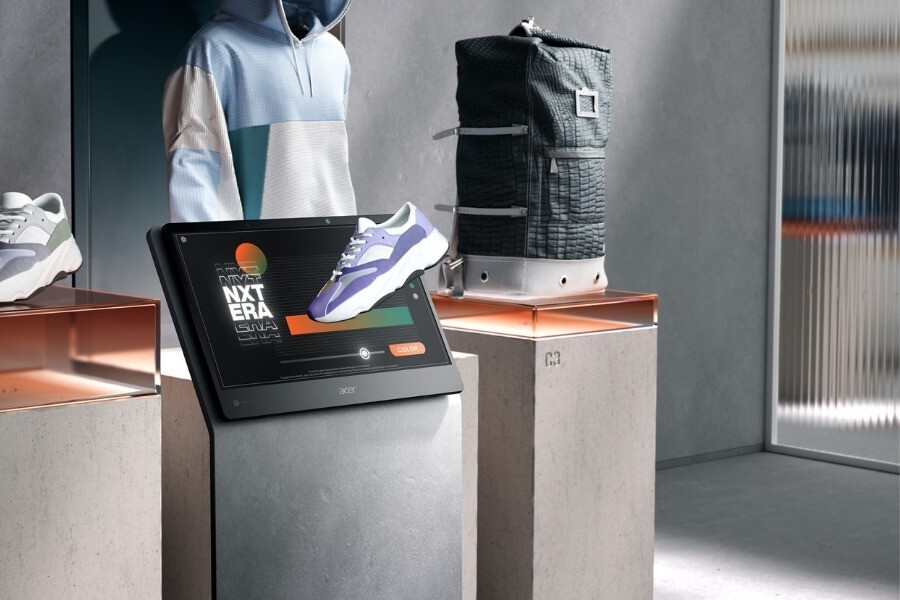
Elevating Retail and Digital Advertising:
- 3D Advertising Towers in Malls: A luxury brand used glasses-free 3D technology in a video wall to display products in floating 3D visuals, boosting customer engagement by 300% and significantly increasing interaction time. The 3D visuals allowed customers to experience 360-degree views of products, driving more foot traffic and creating a memorable shopping experience.
- Transparent Interactive Window Displays: Technology Combination: Integrates transparent OLED, glasses-free 3D, and touch sensors to allow users to interact with 3D product models and view internal details, enhancing engagement and customer decision-making.
Innovative Exhibition and Brand Experiences:
- 3D Car Displays in Showrooms: An automotive brand used large-scale glasses-free 3D displays to showcase a vehicle’s inner workings in 3D, providing a more interactive and immersive experience for visitors. The multi-view display allowed several users to view the vehicle from different perspectives simultaneously, enhancing engagement.
- Museum Artifacts in 3D: Using 3D scanning and glasses-free 3D displays, museums can showcase artifacts in 3D with the ability to zoom, rotate, and explore in detail, enriching the visitor's experience.
Transforming Commercial Spaces:
- Corporate Lobby Digital Art Walls: Trend: Integrating glasses-free 3D displays as dynamic art installations, blending interactive content with space design. Combination: The technology adapts content to the environment, offering a seamless and immersive experience for visitors.
- Hotel Interactive Guide Systems: Transparent OLED displays in hotel lobbies show interactive 3D information about services and the area, enhancing user experience without compromising the space's visual openness.
IV. The Benefits of OLED in Commercial Displays
Stunning Image Quality for Unmatched 3D Experiences:
- Contrast Advantages: High contrast enhances the perception of depth, allowing 3D objects to stand out clearly.
- Color Accuracy: OLED displays are color-accurate, ensuring consistent branding and true-to-life visual experiences.
- Refresh Rate and Response Time: With a 120Hz refresh rate, OLED screens ensure smooth dynamic content, perfect for 3D visuals.
Adaptability in Display Forms:
- Adjustable Transparency: OLED displays offer flexibility, allowing for semi-transparent to fully transparent screens, catering to various design needs.
- Curved and Customized Forms: OLED's flexibility supports creative shapes, such as curved displays and modular video walls.
- Modular Design: Ideal for video wall setups, ensuring easy scalability and maintenance.
Reliability and Durability:
- Designed for Commercial Use: OLED displays are built for 24/7 continuous operation, making them reliable for high-traffic environments.
- Pixel Compensation Technology: Extends the lifetime of displays, ensuring durability in demanding commercial settings.
- Energy and Heat Management: Designed for energy efficiency, OLED displays help reduce operational costs over time.
V. What’s Next for Glasses-Free 3D Displays?
AI-Powered Content Creation and Adaptation:
- Smart Content Creation: AI generates personalized 3D content based on user preferences and environmental conditions.
- Scene Adaptation: Displays automatically adjust 3D effects to suit ambient light and foot traffic, ensuring the content stays relevant.
Combining Technologies:
- Gesture and Eye-Tracking Control: Combining gesture control with eye-tracking, enabling a contactless, immersive experience.
- Multi-User Experience: Tracks multiple users and delivers personalized 3D views to enhance engagement.
Content Creation and Distribution Ecosystem:
- Cloud Rendering Platforms: Enables the rendering of complex 3D content in the cloud and seamless streaming to devices.
- Standardized Content Formats: Promotes industry-wide 3D content formats for easier integration and content sharing.
- Accessible Creation Tools: Makes 3D content creation easier, allowing more creators to produce high-quality content.
Transparent Display Innovations:
- Dual-Purpose Space Utilization: Transparent displays serve both as visual media and spatial dividers, enhancing functionality and aesthetics.
- Dynamic Transparency Adjustment: Displays can adjust their transparency based on content, offering more flexible display options.
VI. FAQ
Q1: What are the key factors in deploying glasses-free 3D displays in commercial spaces?
Key factors include viewing distance, angle planning, environmental light control, and ease of content management and maintenance to ensure optimal display performance and longevity.
Q2: How can businesses balance cost and quality when using glasses-free 3D displays?
Businesses can reduce long-term operational costs by using modular systems, AI-assisted tools, cloud rendering, and standardized templates to streamline content creation and display management.
Q3: What are the main challenges with large-scale glasses-free 3D video walls?
Major challenges include multi-screen synchronization, maintaining viewpoint consistency, heat distribution, and controlling signal delays to ensure a seamless experience across all screens.
Q4: What is the unique value of transparent glasses-free 3D displays?
Transparent glasses-free 3D displays offer space permeability, creative background integration, and dual viewing capabilities, making them ideal for dynamic, immersive brand experiences and interactive environments.
Q5: How should businesses evaluate the ROI of glasses-free 3D displays?
ROI can be evaluated through metrics like customer engagement, interaction time, brand perception, and the longevity of the display system, ensuring value over time and increased customer satisfaction.
Q6: What are the key development trends for glasses-free 3D technology in the next 2-3 years?
The next few years will see larger screens, higher transparency, lower power consumption, and the integration of AI-enhanced adaptive displays, driving further advancements in the 3D display experience.
VII. Industry Outlook: From Technology Showcase to Space Experience Platform
Glasses-free 3D technology is evolving beyond mere visual novelty towards becoming a core component of spatial experiences. As transparent OLED technology continues to advance, these displays are no longer just tools for content display but are becoming integral to the very fabric of commercial spaces. The future of successful commercial displays lies in the seamless fusion of technology, space design, and brand storytelling.
Conclusion
As glasses-free 3D technology continues to develop, it is poised to revolutionize the commercial display landscape. With applications ranging from retail and advertising to medical imaging and design prototyping, this technology offers unparalleled opportunities for brands and creators alike to engage with audiences in more immersive, interactive ways.
RusinDisplay delivers professional OLED and Transparent Display solutions, enabling rapid 3D scene creation with superior performance. By leveraging our advanced technology, we help businesses boost customer engagement, increase foot traffic, and achieve quick ROI. Supported by over 120 global brands, our systems offer reliable technical support and seamless after-sales service, creating immersive, interactive visual experiences that seamlessly blend innovation with modern commercial environments.