




Key Elements of Brand Visual Identity
Brand visual identity goes beyond just a logo. It’s a cohesive, dynamic system that uses visual elements like logos, colors, fonts, and imagery to create a lasting impression. A strong visual identity ensures that your brand is easily recognized, fosters emotional connections, and conveys your core values effectively across all platforms.
How Transparent OLED Displays Improve Commercial Spaces
Transparent OLED displays are transforming the way brands interact with customers in retail and commercial environments. These displays go beyond simply showing images—they offer immersive, interactive experiences that align perfectly with modern brand storytelling.

Key Benefits of Transparent OLED Displays:
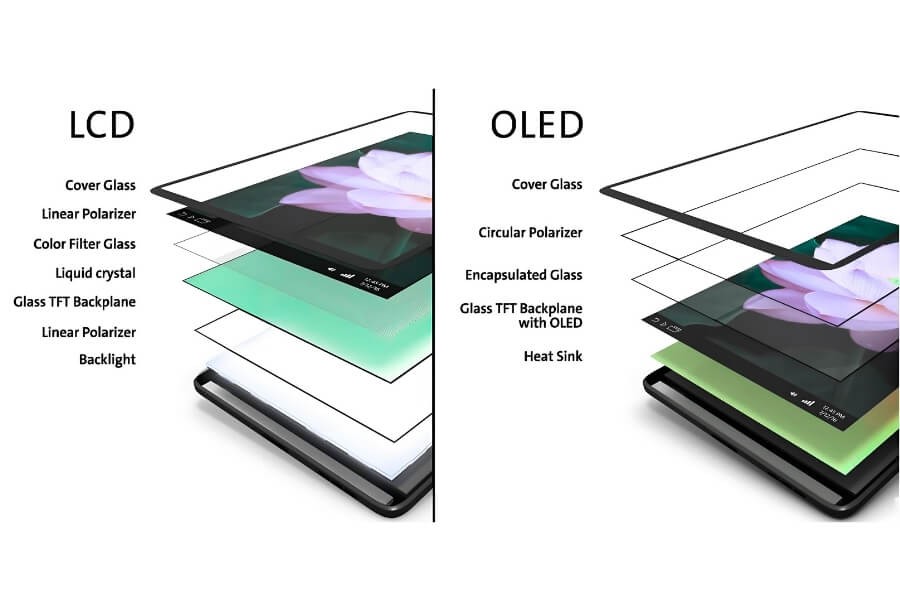
- Exceptional Visual Quality: OLED technology provides vivid, true-to-life colors and deep blacks, which make images pop from any angle. This ensures that brand visuals, such as logos and product images, are displayed with maximum clarity.
- Seamless Integration: The ultra-thin and flexible nature of OLED displays allows them to be incorporated into spaces without disrupting the existing design. Whether embedded in windows, walls, or other areas, they maintain the aesthetic flow of the space.
- Energy Efficiency: OLED displays consume less power compared to traditional LCDs, particularly when displaying dark content. This makes them a sustainable choice for long-term usage in commercial environments.
Empowering Smart Displays with Sensor Technology
Integrating smart sensors with Transparent OLED displays takes brand interaction to the next level. Sensors allow the display to “sense” the environment and adjust the content accordingly, creating a dynamic experience for customers.

Types of Sensors and Their Roles in Commercial Displays:
- Face Recognition Cameras: These sensors analyze customer demographics, such as age and gender, and tailor content to meet their preferences. This creates personalized, targeted advertising.
- Motion and Traffic Sensors: These sensors detect when a customer is nearby and can trigger the display to come to life, activating engaging content. They also track foot traffic to help businesses understand customer behavior.
- Ambient Light Sensors: These adjust the brightness of the display based on the surrounding light conditions, ensuring optimal visibility and energy efficiency.
- Interactive Sensors (Touch, Radar): These sensors allow customers to interact with the display using gestures or touch, enhancing engagement and making the experience more memorable.
How the System Works:
- Data Collection: Sensors gather real-time data, such as customer movement or ambient light levels.
- Analysis: Using edge computing or AI, the system analyzes the data to understand the environment and user behavior.
- Response: Based on this analysis, the Transparent OLED display adjusts its content, brightness, or interactivity, creating a personalized, context-aware experience.
Real-World Applications: Case Studies of Transparent OLED Displays
Retail Environments:
- Smart Window Displays: Imagine a fashion retailer using a Transparent OLED window. When a potential customer approaches, the display comes to life, showing the latest fashion collection or promotions, and even highlights items based on customer proximity.
- Immersive Product Displays: Transparent OLEDs embedded in product showcases can display additional product information, videos, or art related to the product, making the shopping experience more interactive and enriching.
Corporate Brand Halls and Exhibitions:
- Interactive Information Walls: At an exhibition, Transparent OLED video walls can be used to display dynamic content, from brand history to key product information, and allow visitors to engage directly with the content.
- Smart Dividers and Interactive Art Installations: OLEDs can also serve as interactive partitions, displaying content while maintaining the openness of a space. Integrated with AI, these installations can interact with visitors, providing a truly personalized experience.
The Future: Combining AI with Transparent OLED for Enhanced Customer Experiences
As the world moves toward smarter, more connected experiences, combining AI with Transparent OLED displays will elevate brand engagement to a new level. AI can analyze data from sensors in real-time, adjusting content dynamically based on user behavior, location, and preferences.
What This Means for Brands:
- Predictive Interactions: By learning from past interactions, AI can predict what customers are likely to engage with, reducing response times and providing a more seamless experience.
- Cross-Device Integration: Imagine customers interacting with a Transparent OLED display in-store, then seamlessly continuing their experience on their smartphone app. This integration enhances the customer journey and deepens brand loyalty.
Selecting the Right Display Solution for Your Brand
When choosing a display solution for your brand, consider the following:
Brand Objective: Are you looking to enhance your brand’s image, increase customer engagement, or drive sales? Your goals will dictate the type of technology and features you prioritize.
Key Parameters:
- Transparency and Resolution: Make sure the display meets your requirements for both clarity and visibility.
- Brightness: Indoor displays should have a brightness of at least 1000 nits, while high-light environments may require 1500 nits or more.
- Seamless Integration: Ensure that the solution can be integrated smoothly into your existing space, with minimal disruption to the aesthetic.
Choosing a Solution Provider:
Select a partner like RUSINDISPLAY, who can offer a comprehensive solution that includes hardware, software, sensor integration, and creative content services. A reliable provider ensures system scalability and long-term support.
FAQ
Q1: What exactly is brand visual identity, and why is it important?
Brand visual identity consists of elements like logos, colors, typography, and imagery that represent a brand. It’s essential for brand recognition, fostering connections with customers, and consistently conveying the brand’s values across all platforms.
Q2: How do Transparent OLED displays enhance brand identity and customer experience?
Transparent OLED displays offer interactive content while maintaining transparency. By integrating seamlessly into spaces like storefronts or exhibitions, they improve brand visibility and provide immersive experiences, strengthening customer engagement with the brand.
Q3: What are the benefits of using Transparent OLED displays in retail environments?
Transparent OLED displays deliver vivid visuals with deep contrast, perfect for transforming retail windows into interactive, dynamic content. They enable brands to showcase products alongside digital displays, creating an engaging customer experience and driving foot traffic.
Q4: Are Transparent OLED displays energy-efficient?
Yes, Transparent OLED displays are energy-efficient. Each pixel emits its own light, and black pixels use no power. This reduces energy consumption, making OLED displays a sustainable choice for both commercial and residential use.
Q5: How can AI be integrated with Transparent OLED displays for personalized brand experiences?
AI can enhance Transparent OLED displays by adjusting content based on customer data like demographics or behavior. This creates a personalized experience, recommending products or displaying relevant brand stories to improve customer engagement.