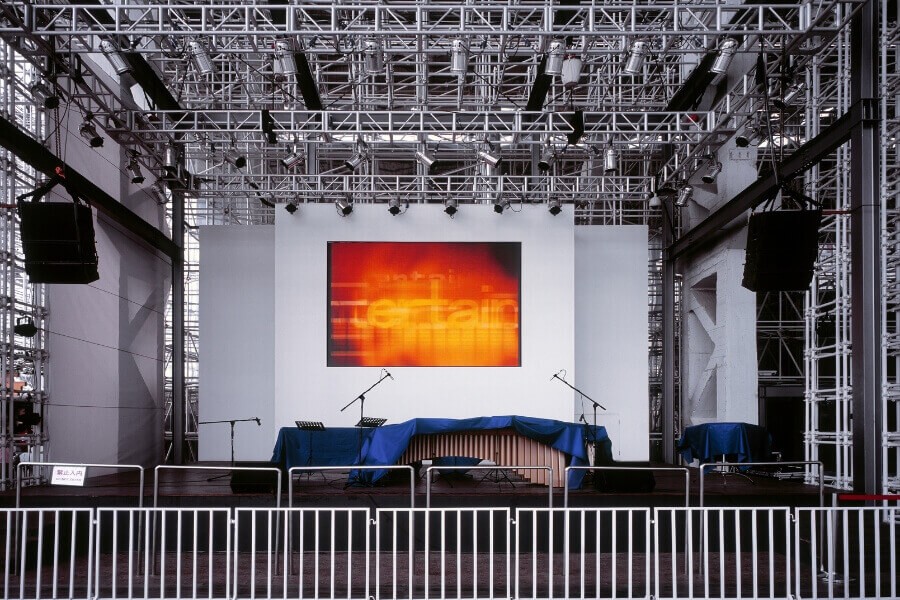




Introduction: How Commercial Displays Have Evolved – From Simple Screens to Immersive Experiences
As the demand for high-quality commercial displays continues to grow, the choice of backlighting technology plays a critical role in shaping the user experience. Traditional CCFL backlights (Cold Cathode Fluorescent Lamp) have steadily been phased out due to their limitations, such as mercury content, energy inefficiency, and bulky form factors. The LED backlight has emerged as the dominant choice, offering superior performance and efficiency for various commercial applications.
However, it’s not just about having a backlight—it’s about ensuring the right visual quality for commercial spaces. For applications such as luxury brand advertisements, interactive store walls, and command centers, the focus should be on key aspects like uniformity, color accuracy, long-term stability, and immersion.
At RUSINDISPLAY, we understand that each screen is more than just a display—it’s a vital component of your brand's narrative. That’s why the choice of backlight technology is crucial in delivering reliable, immersive, and effective visual experiences.
The Key Differences Between LED and CCFL Backlighting Technology
Light Source Technology
- CCFL: Cold cathode fluorescent lamps are linear light sources that generate light through gas discharge, which excites fluorescent phosphors to emit light. The light output is generally less efficient, and CCFLs have a more limited color range.
- LED: Light Emitting Diodes (LEDs) are solid-state, point light sources that directly convert electrical energy into light via semiconductor materials. LED backlights offer better energy efficiency, longer lifespans, and superior color accuracy compared to CCFL.
Driving and Structure
- CCFL: Requires a high-voltage inverter and has more complex circuitry that may interfere with external components, such as electronics in displays.
- LED: Operates with low-voltage DC power and doesn’t require an inverter. Its high circuit integration offers compatibility with smart controls and advanced functionality, like dimming.
Core Summary
The inherent differences between LED and CCFL backlighting influence almost every aspect of performance, especially in commercial display systems. The LED backlight offers superior reliability, ease of maintenance, and flexibility in design, making it the better choice for long-term and high-performance applications.
LED vs CCFL: A Side-by-Side Comparison for Commercial Applications
| Feature | LED Backlight | CCFL Backlight | Impact on Commercial Applications |
|---|---|---|---|
| Lifespan | 60,000–100,000 hours | 20,000–30,000 hours | LED reduces long-term replacement and maintenance costs, ensuring reliable 24/7 operation. |
| Energy Efficiency | High, 40% less than CCFL | Lower | Significant reduction in electricity costs, supporting green business initiatives. |
| Color Performance | Wide gamut (NTSC >90%), especially with RGB-LED | Narrower gamut (NTSC 70–80%) | LED can render brand colors more accurately, enhancing visual appeal in ads. |
| Brightness Uniformity | Excellent with direct-lit, potential edge-light leakage | Generally good | Even brightness is critical for high-end video walls and avoiding visual defects. |
| Thickness & Design | Ultra-slim (<10mm), flexible | Bulkier (>10mm) | LED supports modern, flexible installation (seamless, wall-mounted designs). |
| Environmental Adaptability | Low-temperature resistant, quick start-up, mercury-free | Slow cold start, contains mercury | LED is ideal for outdoor environments and projects with strict environmental requirements. |
| Cost | Higher initial cost, but low total cost of ownership | Lower initial cost | Total cost of ownership (TCO) makes LED a smarter investment for commercial displays. |
Going Beyond the Basics: Advanced LED Backlight Technologies Empower Professional Displays
Direct-lit vs. Edge-lit
- Direct-lit (Full-array): LEDs are evenly distributed behind the panel. Advantages: Excellent brightness uniformity, local dimming support, higher contrast ratios. Ideal for high-end command center displays, broadcast monitors, and premium digital billboards.
- Edge-lit: LEDs are positioned around the perimeter of the screen. Advantages: Ultra-thin design. Challenges: Potential issues with uniformity and light leakage. Best for ultra-thin commercial kiosks and retail info screens.
Mini-LED Technology: Empowering Professional Displays with Cost-Efficiency and High Performance
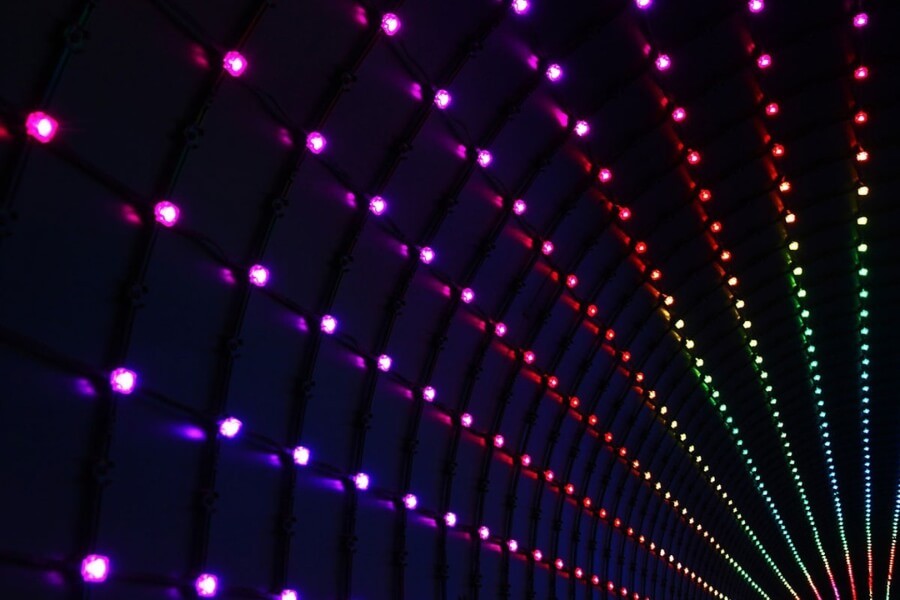
Mini-LED technology is a breakthrough in the LED backlighting world, utilizing thousands of miniature LEDs to create hundreds to thousands of local dimming zones. This technology offers remarkable improvements in contrast, brightness, and overall display performance compared to traditional LED systems.
Key Benefits for Businesses:
- Cost Savings: While Mini-LED displays have a higher upfront cost, they offer significant savings in energy consumption and maintenance over time. The increased lifespan (up to 100,000 hours) and low power consumption (20–30% less than conventional backlights) mean fewer replacements and lower operational costs, especially in high-usage commercial environments.
- Enhanced Customer Experience: Mini-LED provides a higher contrast ratio, deeper blacks, and brighter whites, making it ideal for high-end HDR video walls or dynamic digital signage in retail or entertainment spaces. The result is an immersive visual experience that grabs attention, boosts engagement, and enhances the customer journey.
- Higher Return on Investment (ROI): The ability to deliver superior visuals while maintaining low operational costs directly impacts the ROI. Mini-LED technology’s energy efficiency and long lifespan mean businesses can enjoy sustained performance without the need for frequent costly replacements or repairs. Additionally, the improved contrast and brightness lead to more vibrant displays, enhancing brand presence and increasing foot traffic in commercial spaces.
In creating large video walls or custom displays, ensuring backlight uniformity and consistency is essential for a seamless visual experience. Our solutions integrate advanced direct-lit and Mini-LED backlight technologies to ensure every detail meets the highest standards, from single screens to massive displays.
Choosing the Right Backlight for Your Business: Application-Based Recommendations
- High-end Retail & Flagship Stores (Digital Billboards, Interactive Walls) Need: Extreme color accuracy, high contrast, ultra-thin design. Recommendation: Use RGB-LED or Quantum Dot-enhanced LED backlights to ensure brand colors are perfectly reproduced. Prefer edge-lit or Mini-LED solutions for sleek designs.
- Control Rooms & Data Centers (Surveillance Video Walls) Need: 24/7 reliability, high brightness, excellent uniformity, long lifespan. Recommendation: Opt for high-reliability direct-lit LED backlights with superior thermal management.
- Museums & Exhibitions (Cultural Displays, Art Exhibits) Need: Color fidelity, mercury-free, flexible form factor. Recommendation: Wide color gamut LED backlights, eco-friendly, and customizable display modules that fit the exhibition theme.
True solutions don't just provide hardware. We offer full-service support—from customized backlight module design to modular display integration, color calibration, and content management. We ensure that your display technology perfectly complements your commercial goals and creative visions.
FAQ
Q1: Why is LED better than CCFL in most scenarios?
LED offers better energy efficiency, longer lifespan, and superior color accuracy compared to CCFL. While CCFL is still used in older devices or cost-sensitive markets, LED is the preferred choice for modern, high-performance applications.
Q2: How is backlight uniformity handled in LED video walls?
Backlight uniformity depends on the panel's design and the precision of the backlight module calibration. Professional suppliers ensure seamless integration, adjusting brightness and color uniformity, which is crucial for high-end commercial displays.
Q3: Will backlight technology be replaced in the future?
Yes, emerging technologies like MicroLED and transparent OLED are gaining momentum. However, Mini-LED remains the leading technology for high-end displays, while innovations like transparent OLED open new possibilities for window displays and immersive environments.
Q4: What is a CCFL backlight?
CCFL (Cold Cathode Fluorescent Lamp) backlighting uses fluorescent tubes to illuminate an LCD screen. While it provides even lighting, it has a shorter lifespan and lower energy efficiency compared to modern LED backlighting.
Conclusion: The Future of Commercial Displays Beyond Backlighting
- Summary: LED backlight technology surpasses CCFL in lifespan, energy efficiency, color performance, and design flexibility. It is the cornerstone technology for modern commercial displays.
- Trend Outlook: The future lies in smart, integrated technologies. Backlight systems will work in tandem with environmental light sensors, AI-driven content recognition engines, and adaptive color/brightness management, creating a seamless digital experience.
At RUSINDISPLAY, we believe that displays are more than just information delivery tools; they are intelligent visual interfaces that connect brands with their audiences. Whether you're looking for reliable LCD digital signage or pioneering transparent OLED interactive systems, our goal is simple: to help you tell more compelling stories with exceptional display technology. Choosing the right backlight is just the beginning of unlocking long-term value and limitless possibilities.